Pontoon Boat Pros and Cons: What to Avoid Before You Buy
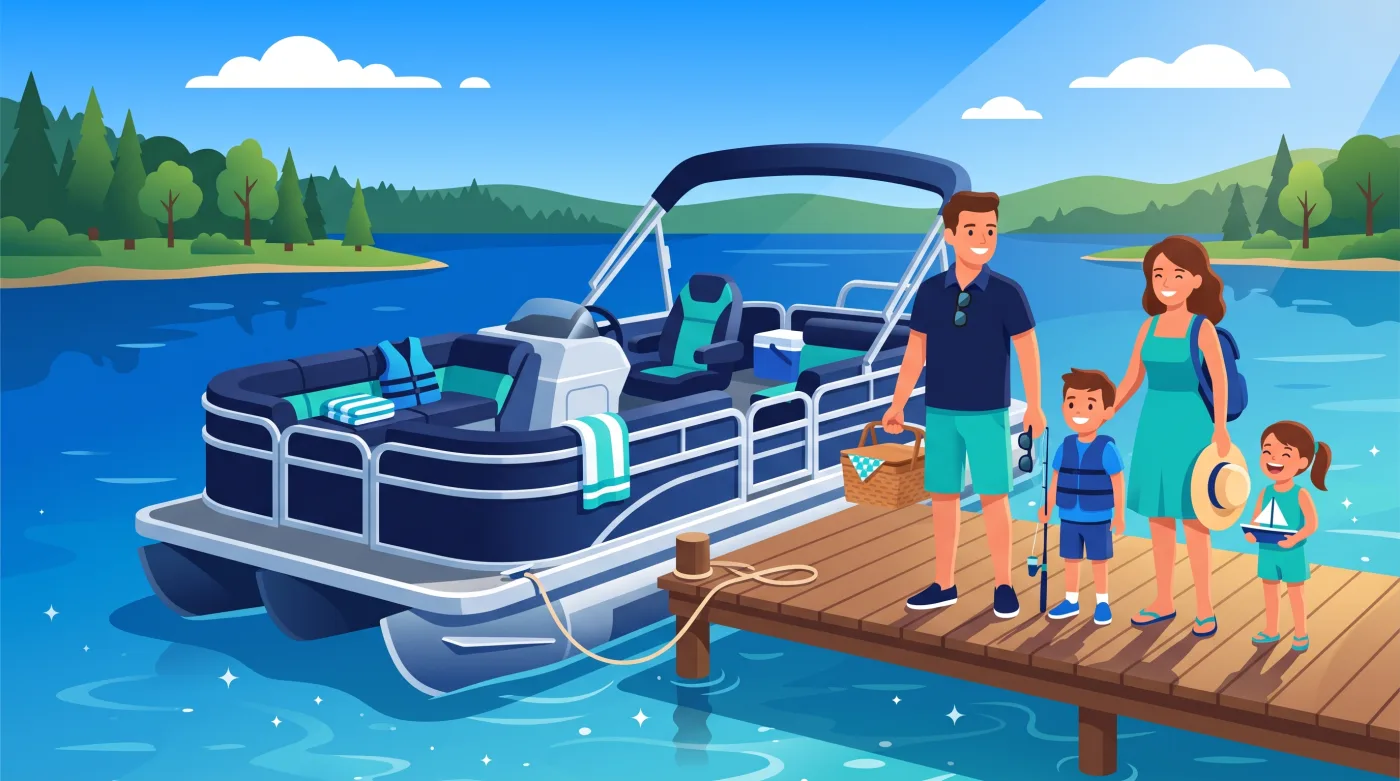
Buying your first pontoon boat is exciting. Pontoons are among the most popular boats in North America because they're comfortable, spacious, and easy to operate. They're an excellent choice for families, entertaining friends, and relaxing days on the water.
Like every type of boat, however, pontoons have strengths and limitations. Understanding both before you buy can help you avoid costly mistakes and choose a boat you'll enjoy for years. If you're still learning about pontoon boats in general, check out our Pontoon Boat Buying Guide for an overview of how they work, typical costs, and what to inspect when buying used.
Pros of Pontoon Boats
Comfortable for Family and Friends
One of the biggest reasons people choose a pontoon boat is the amount of usable space.
Unlike many V-hull boats, pontoons have a wide, flat deck with comfortable seating, making it easy for passengers to move around without feeling cramped.
If your typical day on the water includes relaxing, swimming, picnics, or entertaining guests, few boats offer more comfort.
Extremely Stable
Pontoon boats are incredibly stable while sitting still. That makes them an excellent choice for:
- Families with young children
- Older passengers
- Pets
- Anyone new to boating
The stable platform also makes boarding at the dock much easier than many traditional boats.
Easy to Drive
First-time boat owners often worry about handling a boat.
Fortunately, pontoons are among the easiest recreational boats to learn.
Their predictable handling and slower cruising speeds make docking and maneuvering much less intimidating.
Great for Relaxing
If your perfect boating day involves anchoring in a quiet cove, listening to music, swimming, or spending time with family, a pontoon is difficult to beat.
Many owners describe their pontoon as a floating patio.
Plenty of Customization
Today's pontoons are available in many different layouts. Depending on the model, you can choose features such as:
- Fishing packages
- Lounging layouts
- Watersports packages
- Luxury seating
- Entertainment centers
Cons of Pontoon Boats
Every boat type has trade-offs, and understanding the most common pontoon boat problems before you buy can save you from an expensive surprise later.
Not Designed for Rough Water
Pontoon boats perform best on inland lakes, calm rivers, and protected bays.
Although modern tri-toons handle rougher water much better than older models, large waves and offshore conditions are not where they shine.
More Wind Drift
Because pontoons have large vertical sides, they catch more wind than many other boats.
New owners often notice this while docking on windy days.
Fortunately, this becomes much easier with practice.
Speed Depends on Engine Size
Many buyers assume every pontoon is fast.
In reality, performance varies dramatically.
A small engine may be perfectly adequate for cruising but struggle with a full load of passengers or towing tubes.
Choosing the right horsepower is an important part of the buying process.
Fishing Features May Be Limited
Although fishing pontoons exist, a standard family pontoon usually doesn't include many of the features serious anglers want.
If fishing will be one of your primary activities, consider models specifically designed for anglers.
What to Avoid When Buying a Pontoon Boat
Buying More Boat Than You Need
It's tempting to buy the largest pontoon your budget allows.
However, larger boats cost more to:
- Store
- Tow
- Maintain
- Fuel
- Insure
Think about how you'll use the boat most weekends rather than planning for your biggest family gathering.
Buying Too Little Engine
Many buyers focus only on saving money.
A slightly larger engine can make a significant difference if you regularly carry several passengers or plan to tow tubes.
An underpowered pontoon can feel sluggish and may reduce your enjoyment over time.
Ignoring Total Ownership Costs
The purchase price is only one part of owning a boat.
Don't forget to budget for:
- Insurance
- Registration
- Fuel
- Maintenance
- Winterization
- Storage
- Trailer maintenance
- Safety equipment
Planning for these expenses ahead of time can help you avoid surprises after your purchase.
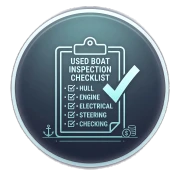
Skipping the Inspection on a Used Boat
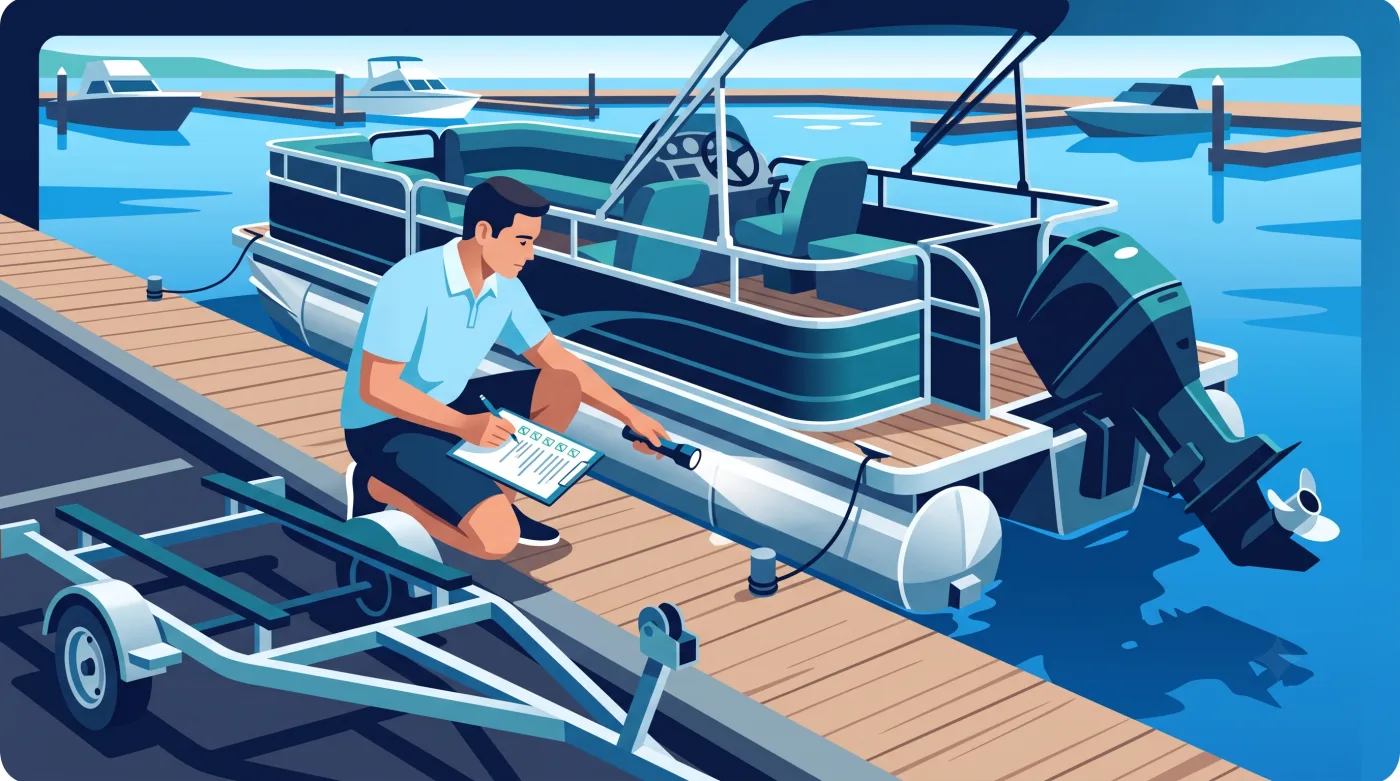
Used pontoons often represent excellent value, but every boat deserves a careful inspection.
Pay close attention to:
- Pontoon tubes for dents or leaks
- Deck flooring for soft spots
- Upholstery condition
- Wiring
- Engine service history
- Trailer condition
A professional marine inspection is usually money well spent.
Waiting Until Launch Day to Buy Safety Equipment
Many first-time owners focus on the boat itself and forget the equipment they'll need before their first trip.
Essential safety gear should be one of your first purchases - not an afterthought.
Is a Pontoon Boat Right for You?
A pontoon is an excellent choice if you value comfort, stability, and spending time with family and friends on calm water. If your priority is offshore boating, rough-water performance, or high-speed handling, another boat type may better match your needs.
Take the Boat Finder Quiz →Cross-shopping a bowrider too? See our Pontoon vs. Bowrider comparison.
Before Your First Trip
Once you've chosen your pontoon boat, make sure you're properly equipped before heading to the water. Our free Pontoon Gear Checklist includes recommended safety equipment, docking essentials, anchors, life jackets, and other accessories every new pontoon owner should consider.
View the Pontoon Gear Checklist