Cabin Cruiser Inspection Checklist: What to Check Before You Buy Used
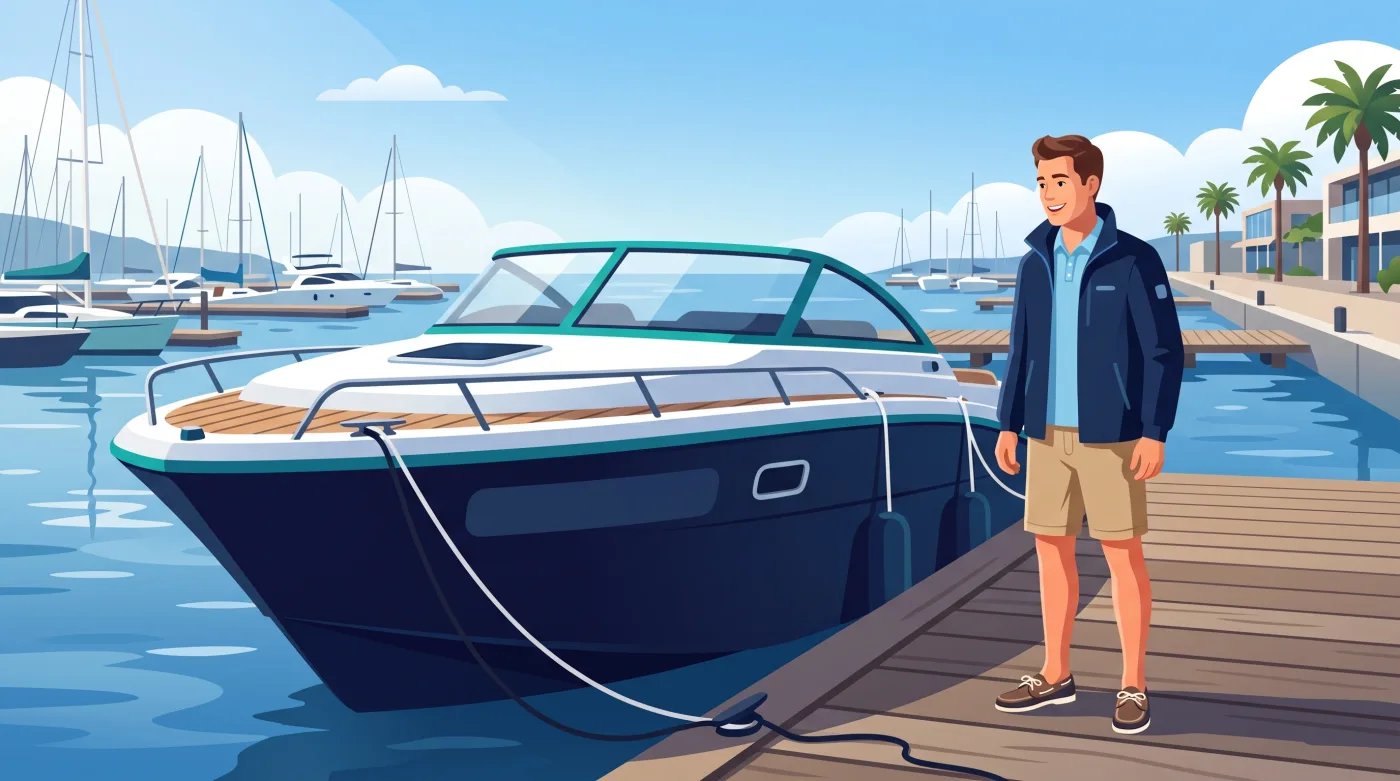
A cabin cruiser has more that can go wrong than a day boat — enclosed systems, plumbing, and bigger engines all mean more places for problems to hide behind a nice-looking interior. Here's what actually matters when you're vetting one.
Get a Marine Survey — This Isn't Optional Here
Unlike a bowrider or pontoon, this is the one boat category where skipping a professional marine survey is a real gamble rather than just a nice-to-have. A survey typically runs $500–$2,000 depending on size, and it's cheap relative to what a cabin cruiser costs and what a missed structural or systems problem could cost you afterward. Budget for it before you fall in love with a specific boat.
Engine Hours Aren't as Simple as They Look
Low hours on an old engine isn't automatically the good sign it sounds like — an engine that's sat unused for long stretches develops its own problems (dried seals, fuel system varnish, corrosion) that a well-used, well-maintained engine with more hours may have avoided entirely. Ask for maintenance records, not just an hour count, and treat "barely used" with the same scrutiny as "heavily used."
Plumbing Systems: Check the Smell, Not Just the Function
Fresh water and black water (sewage) systems are unique to boats with a cabin, and a bad smell is often the first sign of a problem before anything visibly fails. Run the fresh water system and check for odor or discoloration, and don't skip checking the head and holding tank system even if it seems unpleasant to do — this is exactly the kind of thing a rushed inspection misses.
Hull Osmotic Blistering
This is a fiberglass-specific issue where water gradually penetrates the gelcoat, creating small blisters below the waterline. It's more common on older boats and boats that have spent a lot of time in the water rather than on a trailer or lift. It's fixable, but the repair isn't cheap — factor it into your offer if you spot it, and this is one of the specific things a marine surveyor will check for you if you can't easily inspect below the waterline yourself.
See the Full Cabin Cruiser Inspection Checklist
Every point above, ready to check off as you go through the boat.
Open Cabin Cruiser Inspection Checklist →Electrical Systems and the Floor Beneath Your Feet
Older wiring is a real cost center to fix once corrosion sets in at connections — factor the electrical system's age into your assessment, not just whether things currently power on.
Also walk the entire cabin floor and deck and press firmly, especially near hatches, windows, and portholes — these are the most common places for water to have worked its way in over years of use, and soft, spongy flooring is expensive to properly repair.
Vetting a Cabin Cruiser?
Check off every point above, and don't skip the marine survey once you're ready to make a serious offer.
Open the Inspection Checklist